
Spiritual Ecology: Te Taiao and People of Faith
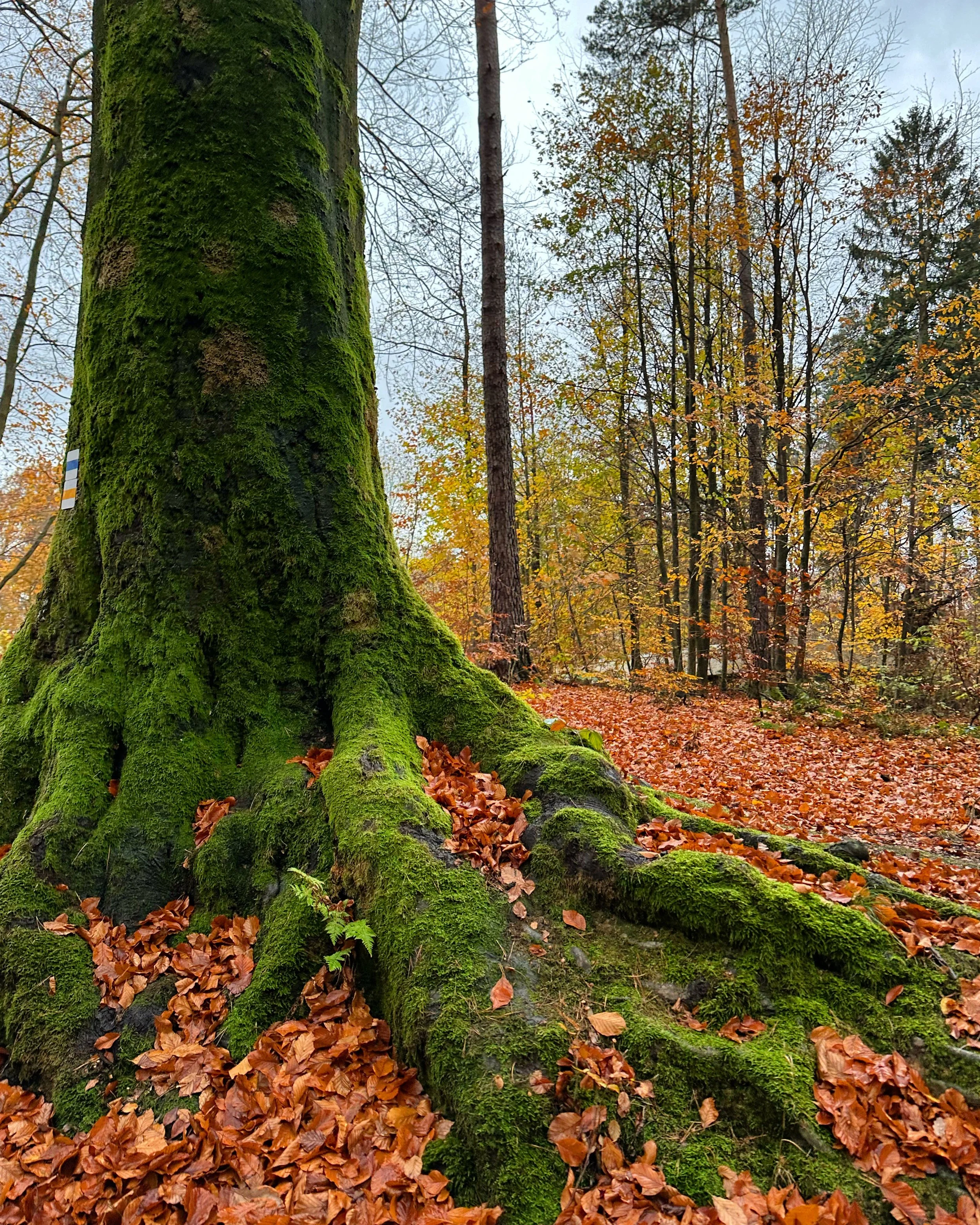
Photo: Marie Santos (Dupe)
God kinda has to like the natural world, being as He made it and all. But, as I quite often say (Biological Science grad), we also know quite a lot about God from the kind of world He chose to create. We could have had boring animals, but we have the sloth and the platypus and the humming bird and the naked mole rat (google it: I defy you not to smile). We could have lived in one of those cold heat-death planets, or desert-like Mars, instead we have sunsets and temperate climate, everything very small (like mitochondria) and very big (like stars and black holes) tells us God has panache.
Likewise, although people are frequently annoying, they’re kinda beautiful sometimes: we could have been left alone, or reproduced asexually like starfish, or everything made grey and beige: no, we have a world with a million colours, and we have to dance around each other, and form families and communities. This is kinda deliberate. Abrahamic religions remind us that God calls the world and the stuff in it “tov´(good, and right-purposed’) in Genesis, but there’s one thing He calls not tov, people being alone. People of Faith, including many Māori, believe the traditional idea that we live in a personal universe, full of profound spiritual meaning and purpose.
That’s why, traditionally, we’ve supported conservation and ecology: limit, restraint and stewardship are part of living in a personal universe: if the world is supposed to be a temple for the Holy, and everything is made, willed, necessary and loved, then “toiletising the planet” is something we shouldn’t do. And wearing my theistic evolutionist hat, we got here by a strange, gradual and explosive process: what we have is precious: those of my coreligionists who think earth belongs to them for industrial grade exploitation need to remember we don’t own the earth: we’re only stewards, trustees and guardians.
What applies to created things: trees, flowers, animals, birds, fish, also applies in greater measure still to people, who are “made in God’s image and likeness” (three major religions believe this, a bunch of secular people have also borrowed it (more power to them). A personal world means that persons are precious: that each of us has our own mana, our own gifts, our own calling in the world before God. Each of us is irrepeatable. Although it can be over-egged to say we’re all special (as if all of us get participation certificates just for living), we are all called to responsibility for the things committed to us: our own talents and gifts, but also governing, serving, forming, filling and repairing the world.
As the climate change debate makes very clear, the whole world suffers, or is helped, by our decisions. If we continue to trash “our common home”, we will pay for it in extreme weather events, increased sea levels, and the tanking of our living standards, but so will people in Chad and Kiribati, and the animals and trees and fish who choke on our plastic, or run from our bulldozers. In the end, we are all connected, and all together on this “little earth”
That means we can’t ignore long term environmental damage. It means we should treasure the most vulnerable. And it means that your work in the world, and what you do with the time, power, talent and tools given you here, matters profoundly. To quote the prophet Russell Crowe, what we do here, echoes in eternity. Because God loves the world. And in the end, it’s not ours. In this election year, there seem few left who remember that, not simply for the environment, but the moral and personal ecology and connectedness of human beings. We should cherish each other, and our common home. The life you save may be your own.
Revd Dr John Fox is the UC Senior Chaplain. These views are his own.
The UC Chaplaincy exists to promote spiritual values, community, worship and prayer, advocacy and pastoral care for all students and staff at UC, especially people of faith. I’ll talk to anyone about anything, free and confidential: to contact John use john.fox@canterbury.ac.nz, or 0273571628.