
Two Perspectives on the Middle Eastern Crisis
The current humanitarian crisis involving Iran, Israel and the United States, which escalated on February 28th, has had global effects. Developments in the region have influenced international news coverage, oil prices and diplomatic activity, and have become a frequent topic of public discussion.
Mohammad Mahdi Arpanaei, born in Tehran in 1997, is a PhD student at the University of Canterbury. His family moved to Denmark when he was five years old and returned to Iran in 2008. Arpanaei described restrictions he experienced while living in Iran, stating he felt “a lot of freedom was taken from [him].”
Arpanaei said “the situation happening in the Middle East… should be everyone’s concern”. He attributes aspects of the current climate in Iran to long-standing political and religious dynamics. According to the BBC, the Islamic Republic came into power in 1979 when clerics overthrew the monarchy and assumed power under their leader Ayatollah Khomeini. This position is known as ‘The Supreme Leader’, and through their position they are able to elect the heads of military, media and judiciary as well as confirming the election of the President. Ali Khameini succeeded Ayatollah Khomeini as Supreme Leader when he was appointed for life in June 1989, after previously serving two consecutive terms in the 1980s as president. He was assassinated on the 28th of February during Israeli airstrikes.
Since the foundation of the Islamic Republic as the governing body in Iran, thousands of Iranians have been killed. Arpanaei noted violence usually followed protests or demonstrations, after which internet access was often restricted. By shutting off the internet and restricting access to platforms such as WhatsApp, the the flow of information over borders is controlled, isolating Iranians during a scary and difficult period.
The most recent shut off occurred over the Persian New Year when families were trying to connect with loved ones. While some users have reported being able to intermittently connect with global services like Facebook, Telegram and Messenger, much of the population remains unaware of what’s going on in the outside world. These disruptions have limited civilians’ access to evacuation notices and real-time information during periods of conflict.
Arpanaei described the impact of these shutdowns, saying while global oil price changes were widely discussed, “my people don’t have internet… my people were paying your oil prices with the misery they were having”.
He also feels media coverage in the news has been misleading, leading people to believe that it is Iranians responsible for the attacks on other Middle Eastern countries, as opposed to the Islamic Republic regime.
“If you say Iran, it’s like, it’s me. So, every person in the street would see me as someone who has attacked or is suffering from the attack.”
Arpanaei believes many Iranians support foreign intervention by the United States because it’s moving Iran away from the Islamic Republic and towards a regime change. He said in Iran, “Israel didn’t kill 30,000 people…” the Islamic Republic did.
However, associate Professor Jeremy Moses, a political scientist at the University of Canterbury and President of the New Zealand Political Studies Association, offers a different assessment.
Moses rejects the idea all Iranians are against the Islamic Republic and support US and Israeli military intervention. He said political repression since the 1979 revolution has resulted in tens of thousands of deaths and caused many Iranians to leave the country. He also explained some opponents of the regime, including supporters of restoring the monarchy that existed before the Islamic Republic, have formed active lobby groups abroad. According to Moses, these groups have contributed to the perception that most Iranians support leaders such as Trump and Netanyahu.
Moses said “there is plenty of evidence within Iran that the regime remains popular and certainly is seen by most Iranians within the country as preferable to subjugation to American or Israeli interests in the region.”
Moses argued it is inaccurate to assume the United States or Israel aim to promote democracy in Iran, stating their objective is to “destabilise the state and leave Iran in a state of chaos and disarray that could take decades to repair”. He said recognising these dynamics does not dismiss Iranians’ aspirations for political and social freedoms, but highlights the strategic considerations influencing the current situation.
Arpanaei concluded “people should understand that they don’t need to choose a specific side. The actual side is the people’s side, not a government side,” expressing his view that “all the systems are broken.”
It’s important to note how complex the events occurring in Iran are, and that this piece cannot provide adequate information or context to fully understand the nuances of the international politics at play. As the situation in Iran continues to unfold, it’s important to stay widely read and up to date with global news. Be sure to make a conscious effort to read from trustworthy news sites and look outside of outlets you may gravitate to subconsciously.
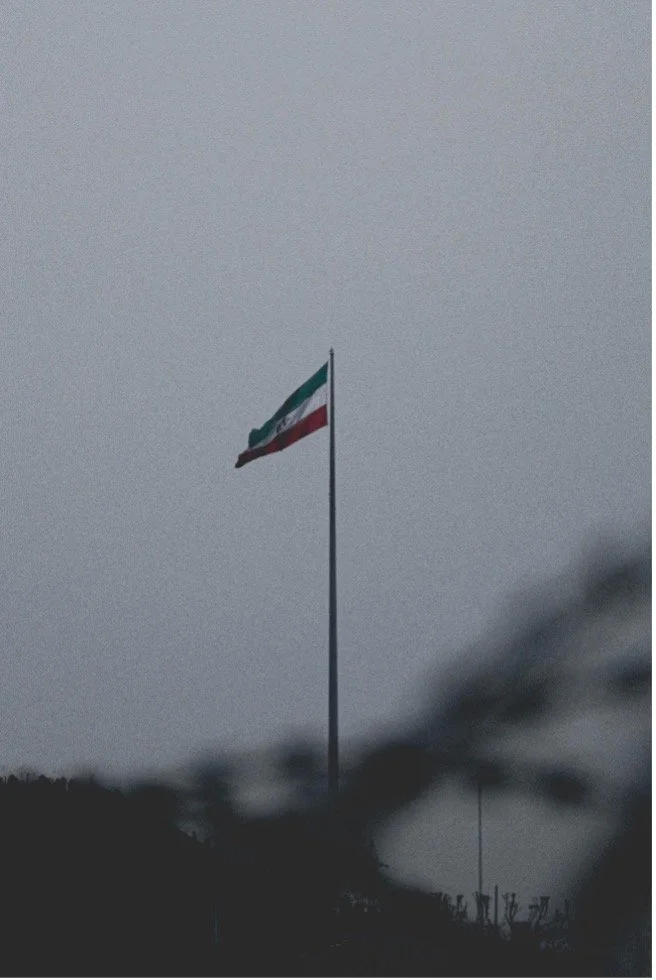
PHOTO: Iran Flag on a flagpole, Alireza Mortazavi, Pexels.