
With the government's long-awaited changes to ADHD testing now existing for over six months, many young New Zealanders have found the opportunity to receive a formal diagnosis.
Almost 70 000 people are now prescribed medications such as Ritalin and Concerta, and the government has announced two new specialist schools as well as support programs for high needs students.
As overall awareness for neurodivergence steadily increases, it begs an important question. How can we improve those lives once school is over and work begins?
Alexander Ng, like many people with an ADHD diagnosis, felt relieved after she completed her ADHD test this year.
“It troubled me a lot. I’m more hyperactive, so sitting still in class, listening to teachers, studying, were all hard”, Alexander said.
But her relief did not stem wholly from the confirmation of what she had always believed, but what the diagnosis would now provide for her.
“I was so glad to be on medication. I finally had that piece of paper that could open so many more doors for me.”
Alexander is now the social media manager for UC’s neurodivergent society, better known as NDsoc.
“We’re a club that creates a social environment where people who are neurodivergent would be comfortable to hang out with other people. There’s never any pressure on people.”
“There’s no worries about behaviour being misunderstood, everyone's more open with everyone else, and we always try to advocate for neurodivergent people.”
She’s also an executive on multiple other clubs, including the newly formed Gothsoc.
As much as she loves being involved and participating in these clubs, her roles often prove to add more stress than she would ever have hoped for.
“I found the workload really a lot, especially during the start of seasons for all of the clubs, Gothsoc only has three executives at the moment, so we have to do everything ourselves.”
Balancing multiple different tasks and priorities can often be difficult for ADHD people but staying on top of assignments while constantly working on other things is never easy.
“It’s been tough. Once I get overwhelmed I shut down, I have to be careful not to get to that point. It can be really difficult a lot of the time.”
Alexander and her other executives always stick together. At times when she has felt particularly overwhelmed, she has reached out to her peers who are always kind enough to help her out.
Alexander is unsure how easily she will transition from being a full-time student to a full-time worker once she completes her studies.
“I get worried that with my different needs because of ADHD might not so easily be accommodated at work, and I know that it would not take much for stuff to overwhelm me.”
Having completed two internships already, Alexander will not be headed into the workforce unprepared, though she is concerned that the internships may not have represented what her career might later look like.
“My internships were both really accommodating. I believe it was because they knew I was a University student, they were a lot nicer to me, but I don’t know if that will last forever.”
Most of what Alexander finds to be accommodating at work, relates to what the work entails itself.
Thankfully she has found both studying and working in so many clubs has led to her better understanding what sort of work she is suited for.
“I definitely prefer solo stuff. In group work I sometimes struggle to see the overall plan; it’s a lot harder to visualise the final product.”
But her biggest concern relates to how she might fit in socially at work.
“I do worry my coworkers might find some things annoying, I’m terrible at social cues. I worry that my coworkers might say something and I totally misunderstand it too.”
From knowing only life in school for over fifteen years to finally branching out into the real working world can be tough on anybody.
People with ADHD often enter a workforce that has not yet developed accommodations or understandings of why neurodivergent people might have different needs to others makes it even harder.
Even after all of this, Alexander is still hopeful.
“I try not to think about it too much, because I always believe that everything will work out. I am actually a really social person, so I know I will find a work around if need be.”
While the statistics for ADHD testing since the uphaul in February have not yet been released, we do know adult testing has been increasing consistently for many years now.
Schools have already started to see the benefit of spreading awareness about neurodivergence and accommodating neurodivergent people.
Perhaps it is time the world of professional work in New Zealand begins to consider this too.
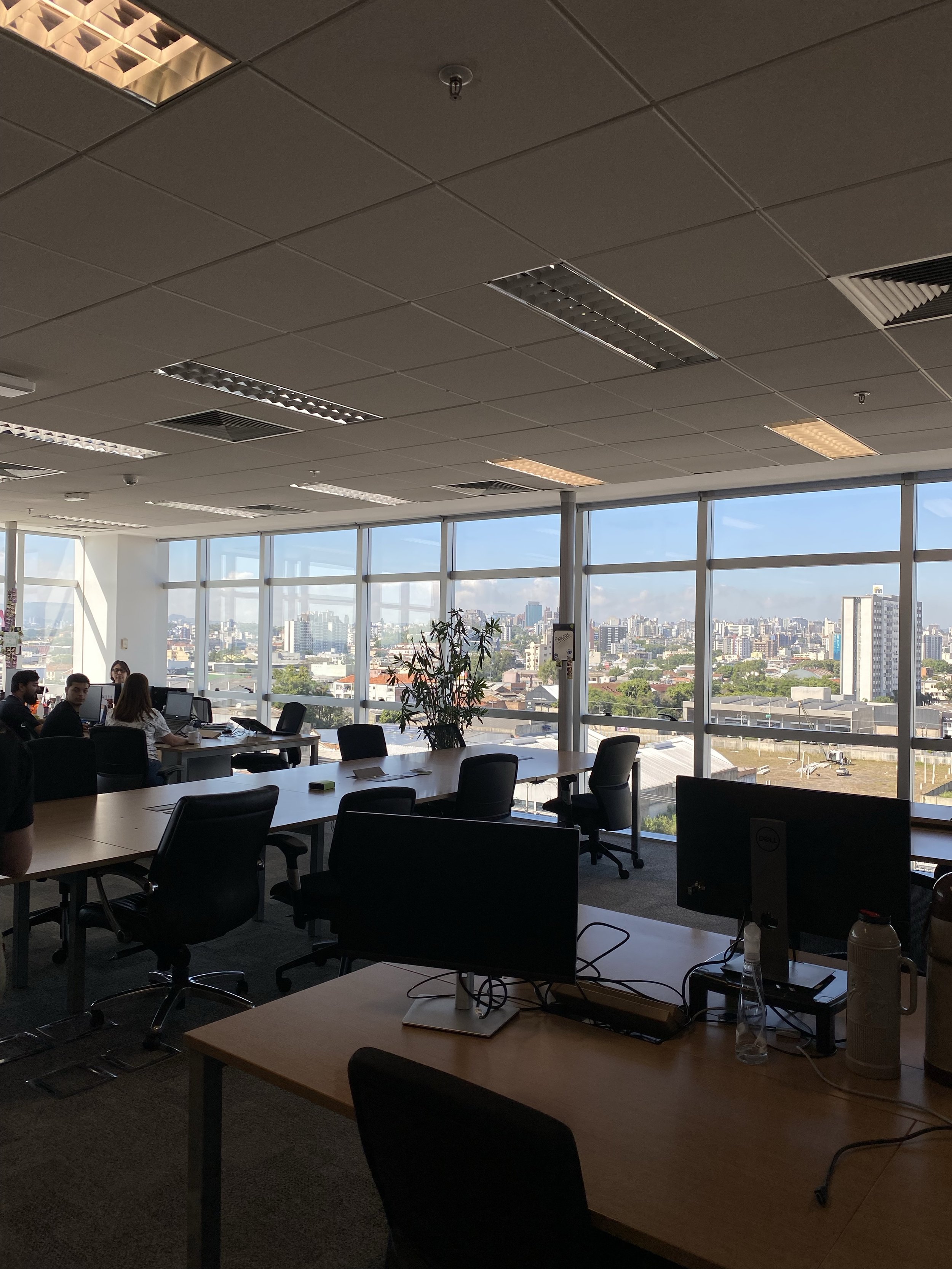
PHOTO: bruna gomes, Dupe.