
Home, Nostalgia, and Spiritual Values
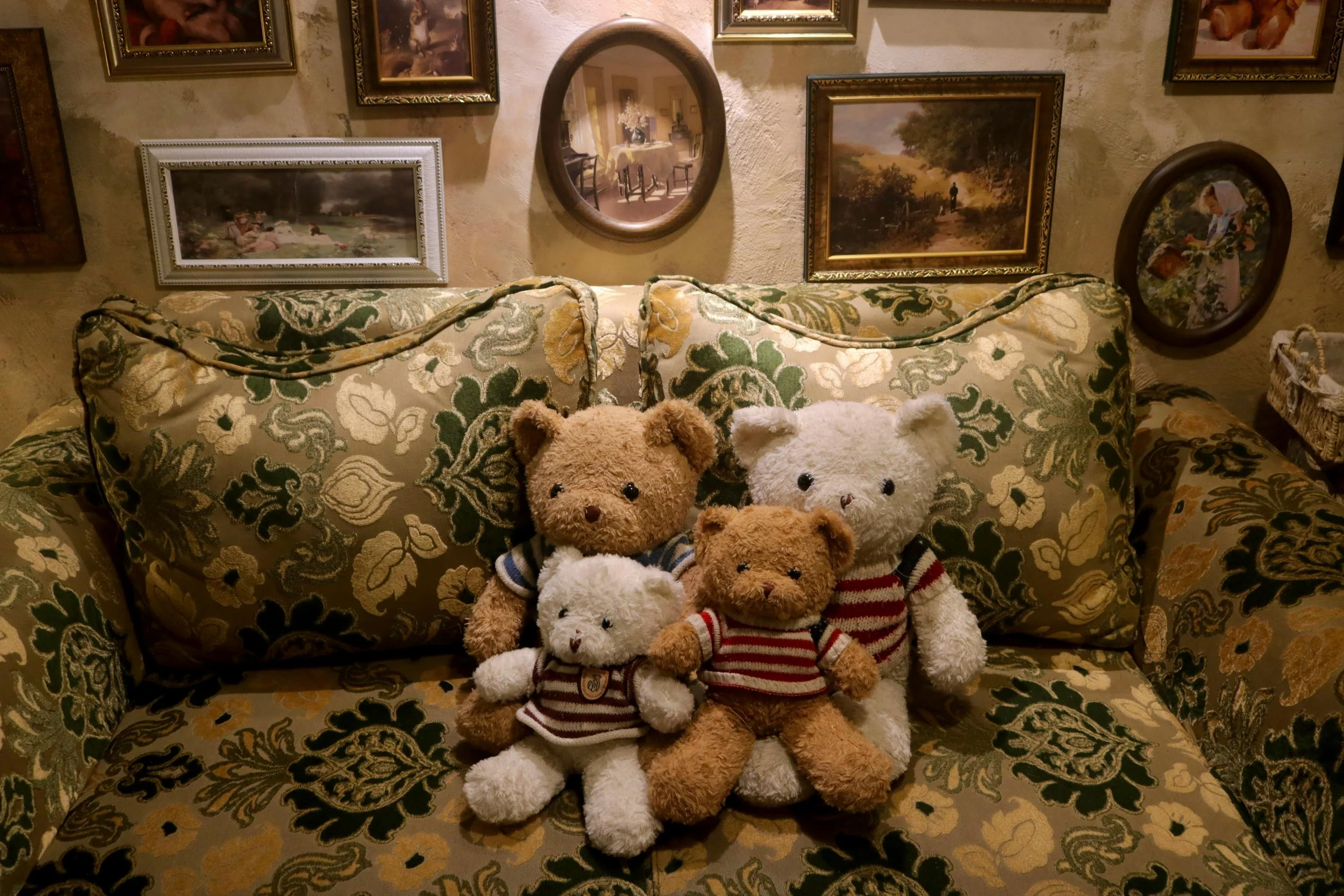
Source: July Darling, Pexels
We have a new 7 month old baby in our house this year, and the birth of the Chaplaincy baby means nostalgia. Suddenly, we mustfind my ancient orange teddy bear. My wife is ransacking Trademe for picture books starring Franklin the turtle. I bought the complete Peter Rabbit, (which by the way contains huge amounts of rural carnage, which I find soothing and my wife horrifying). We’re piling on the cozy, and the nursery is going to overflow with the cushions, pictures, sung prayers, night lights and the family cot: and that’s before the grandparents get in on the act.
Moments of nostalgia are moments in which we try to recapture moments of safety, coziness, adventure, or spiritual connection; to preserve the moment, or the impression, and hold it, and share it. Home. Peace. Safety. Grace. “Oh, I loved that”.
Being a priest, I think these moments tell us more than we think. Our desire for home points upwards to the spiritual life for which we were created. St Augustine (staggering from a life of hook ups and keg parties in late Roman Carthage) said “You have made us for yourself, O God, and our hearts are restless until they find their rest in You”. Home. Connection. Family. Peace.
These are all things at the base of our humanity, and they are fulfilled in God’s promise of eternal home, the spiritual moments of utter grace and charity we find in others, and (for Christians) in the life of Jesus; and the peace and connectedness we find in the patient, human, sometimes infuriating life of the Church. I look back with nostalgia at my younger self: but I also treasure the memory of my grandparents patience and sacrifice, the joy and brotherhood I found in my old Bible study group, the affection and frustration I feel at dear Aunty Mabel who sits in the pew in front of me, and has squeaky shoes: the taste of church for me is bad biscuits and weak raro and pencil-shaving like tea bags, double used. For me, that’s the taste of community.
That’s why at the Chaplaincy we try to promote Home for students on campus, regardless of what you believe: our quiet study space, our cushion friendly prayer and reflection space, the Wednesday Community Lunch, and home made baking (made by six little old people who love you). It’s not because Faith is juvenile, or always cozy: it’s because God offers you home. And also because nostalgia points towards spiritual longing: the desire to know and feel your place in the world, to be comfy in your skin, to be connected to others, and at peace with yourself. For us, Faith offers a way to do that, and we try to ask you to think more deeply about the challenge, growth and longing underneath nostalgia.
I was here as an undergrad, a lanky 18 year old in 2002. And the major reason I became UC Chaplain (which is a weird and wonderful and challenging gig, lovely people) is that when I came onto campus to take the meeting, I met my younger self, sitting on the same bench in next to the Elsie Locke building. When I was 18, I was bursting with ideas, desperate to fit, full of faith and desire to connect, and the same drive and personal issues which would result in burnout and the Chaplain scraping me off the Library floor and helping me sort out how to channel my energy.
Now I am 40 something (!), I still have ideas. And faith. And desire to connect. And drive. And sometimes old wounds. But nostalgia reminds me who I am, who I was, and who I wanted to be. If you’re blessed enough, as I was, you can find that you grew up how you wanted, that you found your tribe, that Faith grew with you. That your desire to build, to grow and to love was met, and will be met, by spiritual values that don’t really change.
That’s what I want for little Joshua the Chaplaincy baby. And what I want for myself. And what I want for each of you. Nostalgia tells us more than we think. Please, pay attention.
Revd Dr John Fox is the UC Chaplain.
You can contact the chaplaincy team in Forestry 115, by emailing john.fox@canterbury.ac.nz, or by texting 0273571628.